
Birmingham Foundation Co. passes each request to one independent local foundation specialist across Jefferson and Shelby counties, and explains one observation: level ground here was constructed, so a house sits half on undisturbed material and half on fill. A sound evaluation produces a floor elevation contour before any scope is written.
For every price on one page, read the foundation repair cost in Birmingham guide: what each job class runs, what moves an estimate, and what a written quote should show.
The contour comes before the recommendation
Nothing gets proposed until something gets measured. Floor elevations across the whole footprint, crack widths recorded and dated, and a walk of the exterior water path — and only then a conversation about what, if anything, the numbers justify. Where the readings come back flat, the report says correct two downspouts and watch it. A company that never declines the larger sale is not measuring anything.
Why the uphill half rarely needs piers
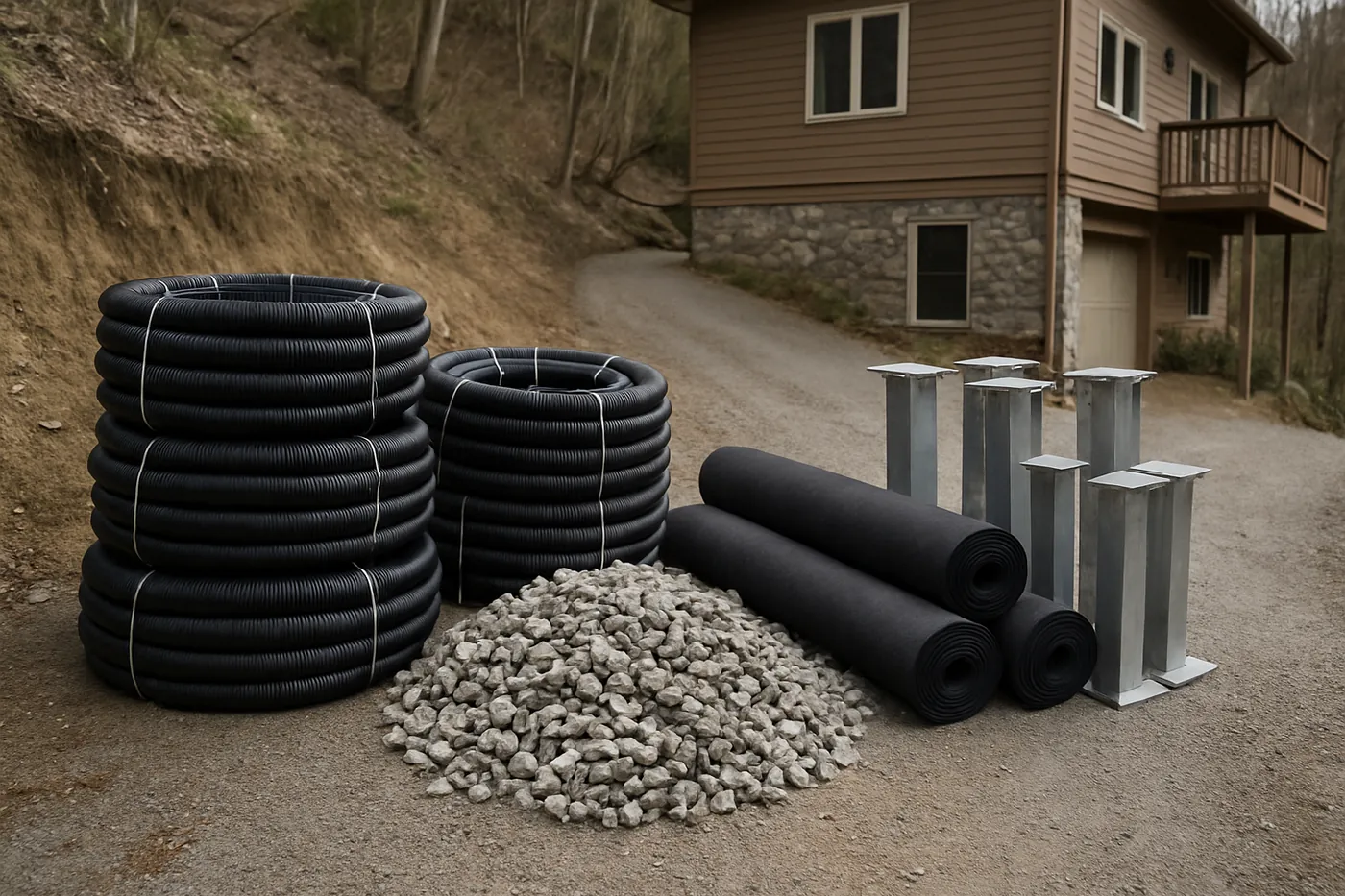
On a benched pad the cut side bears on ground that has been in place for a very long time. It is not going anywhere, and installing support beneath it is billable work that changes nothing. It also happens frequently, because a pier count drawn from visible cracks rather than from an elevation contour will wrap the whole footprint by default. If a layout leaves a section unpiered, the readings should be the reason, and they should be in your document.
What the pier log is for
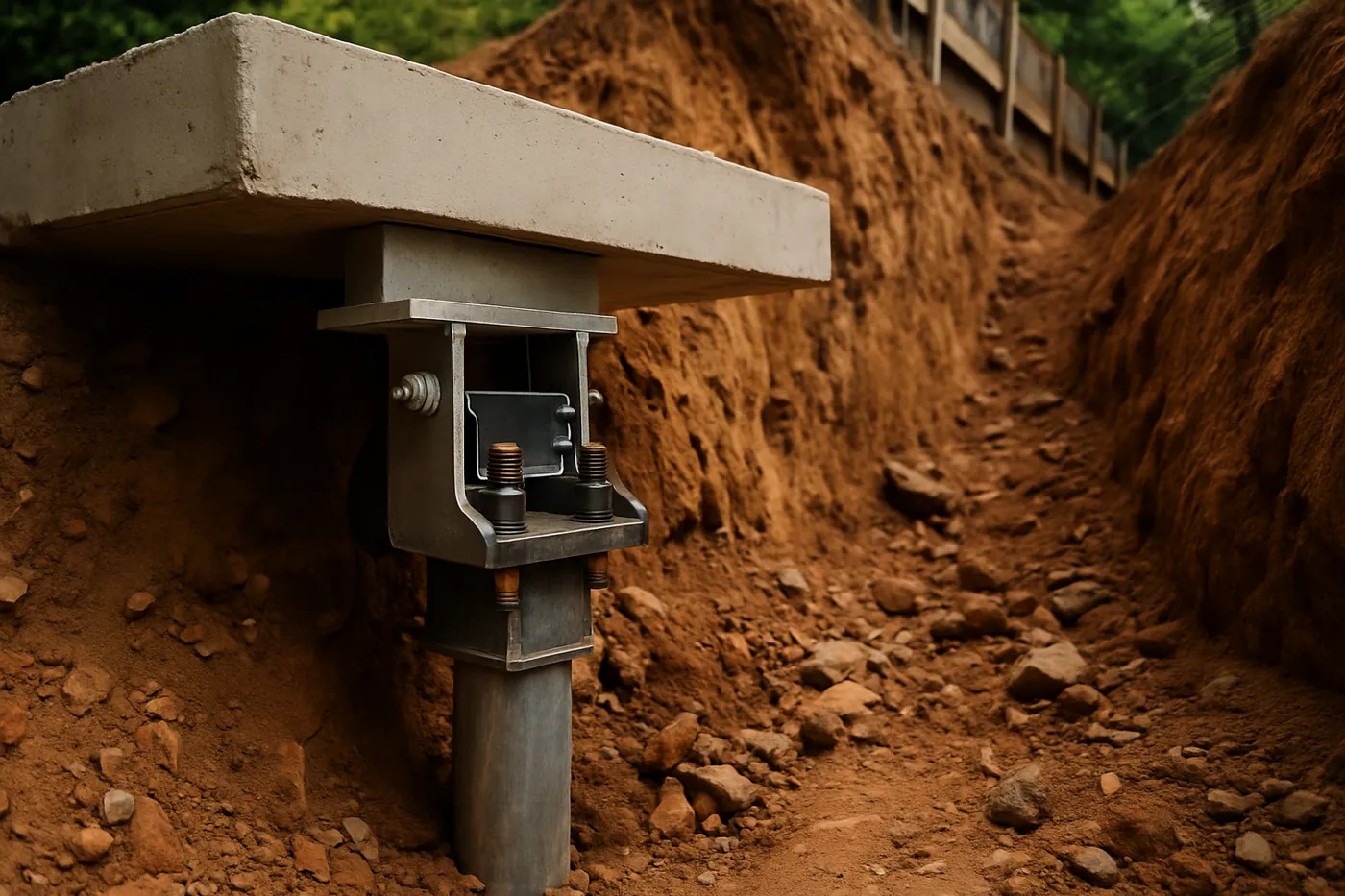
Depth is what everybody quotes. Termination is what actually matters, particularly in a metro with this much made ground, because dense fill and undisturbed material feel identical to the equipment at the moment of refusal. Ask for both on every pier, in a log you keep. Require one from anybody bidding on the house, since it costs nothing to provide and it is very hard to reconstruct afterward.
Reading warranties is part of the job
Every national foundation brand competes here, which means you will collect several proposals without effort and then discover they are difficult to compare. The differences are rarely in the headline price. They are in whether the warranty covers the piered section or the house, whether it transfers and at what cost, who stands behind it, and what obligations of yours could void it.
Read each proposal clause by clause before you sign, and ask whoever wrote it to explain anything that is unclear. In a market this crowded, the clearest warranty can be worth more than the cheapest price.
Overhead, and why it shows up in your quote
A showroom, a fleet sitting idle between jobs, and salespeople earning a percentage for turning an inspection into a pier order all cost money. That is not a moral point, it is arithmetic: a company carrying heavy fixed costs has to hit an average ticket, and that requirement works its way backwards into what gets diagnosed. It is worth asking how a bidder is paid when a $2,000 drainage fix and a $14,000 pier job are both on the table.
Three jobs that belong elsewhere
Anything contested, anything attached to a purchase dispute, and anything requiring a seal belongs with an independent structural engineer, ideally not one on a contractor’s roster, since the value of the opinion depends on you being the only client. Suspected slab leaks belong with a plumber for isolation testing before anyone prices a single pier, because finding a covered cause early changes the scope and changes who is paying. And a house still inside its builder warranty should go to that warranty, with dated documentation in hand, before it goes to a repair contractor.
What we won’t recommend
- Piers with no elevation contour behind them. That is a price, not a design.
- A bid stating no depth assumption. On a filled pad, depth is the variable that decides whether it holds.
- Foam injection as house underpinning. Polyurethane is for flatwork; structural loads need engineered piers.
- Sealing a crack that is still moving. It buys a neat line that reopens along the same path.
- Removing a mature tree as a reflex. Soil it had been drying can swell back for years afterward.
How to tell a house does not need repair
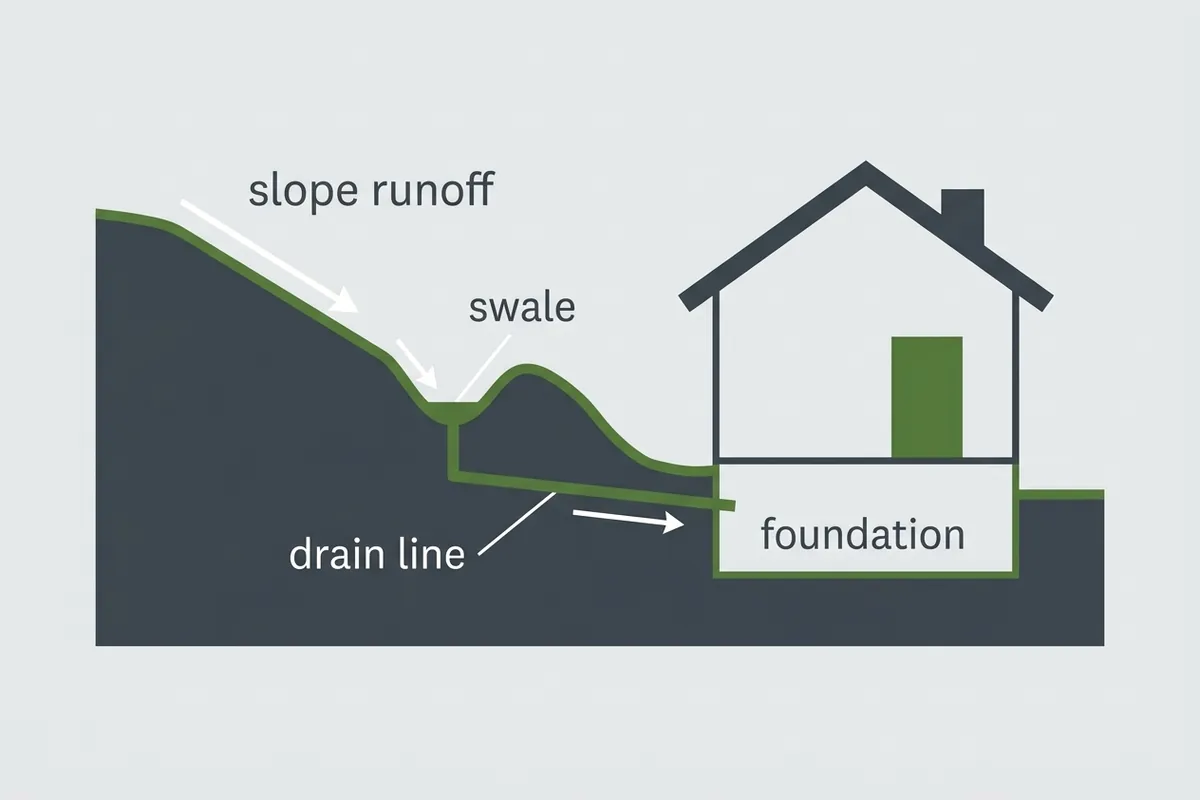
It happens on a real share of houses and it is worth describing, because a company that never reaches this conclusion is not measuring anything. Floor elevations come back within a fraction of an inch across the footprint. Crack widths, marked and dated, have not changed through a wet season and a dry one. Nothing about the exterior is delivering concentrated water to a wall.
That house does not need foundation repair. It needs two downspouts extended, six feet of grade rebuilt, and a note in the calendar to re-measure next spring. A good specialist writes that down and hands it over. That page is worth more than a scope the numbers did not support.
Questions about how this works
Who actually does the work?
An independent local specialist does, not this website. We pass your request to one local foundation contractor, and any work you approve is theirs. Ask any bidder whether their own crew or a subcontractor will do the repair, because the pier log is only meaningful if the people recording it answer to the people who signed the document.
Should I hire someone else if their bid is better?
When their scope is sound and their price is better, yes. In a metro where every national brand bids the same houses, you will collect several proposals, and a straight comparison of them is worth more than loyalty to whoever arrived first or oversold.
What if I disagree with a diagnosis?
Take the elevation numbers to another company and ask them to explain the difference. That is exactly what the readings are for. Where a diagnosis is genuinely contested, an independent licensed structural engineer settles it, and that is cheaper than arguing.
Who handles the cosmetic repairs afterward?
Drywall, trim, and paint are usually a separate trade and a separate number, so ask whether a bid includes them. Cosmetic work should not be scheduled before movement has stopped, because it reopens along the same lines and the homeowner reasonably blames the repair.
Get a Birmingham foundation evaluation
Describe what the house is doing — a crack that keeps opening, a door that stopped latching, floors that fall away toward one side, a retaining wall starting to lean. If you already hold a bid from somebody else, keep it handy and read its warranty before you sign anything. A local specialist serving Birmingham calls you back.